
The first generator of electricity arrived in Iran in 1885, three years after Thomas Alva Edison established the first power plant in 1882, which lit up Golestan Palace. Iran is the 16th largest producer and 18th largest consumer of electricity in the world. Electricity is one of the main development priorities in different countries. The availability of electricity generation with high reliability plays an important role in the economic and social growth and development of communities. The electricity generation sector is the most sensitive and costly sector of the electricity industry in any country. Therefore, sustainable development of this industry requires attention and development of the power plant sector in the country. Thermal power plants in Iran account for a large share of electricity generation. The planned capacity of the country’s power plants has reached 82,061 MW by the beginning of September 2019, of which the combined cycle units with 25,403 MW have the highest installed capacity (31%) of the country’s power plants.
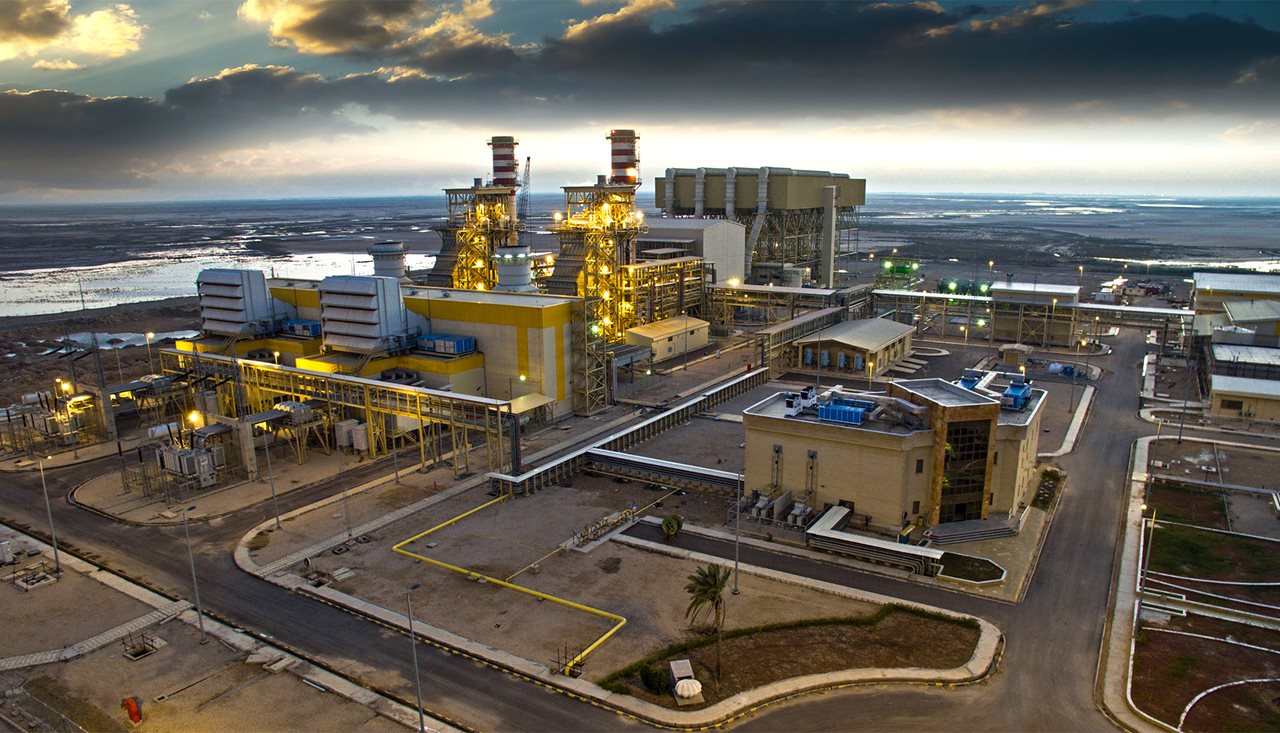
About 30.5% of the country’s power plants belong to gas units, of which more than 25,000 MW of the planned capacity of Iranian power plants belong to this sector. Power plant steam units have 19.3% of the planned capacity of this area and with its capacity of 15 thousand and 829 MW, it is located among the three sections that have the highest installed capacity of power plants in the country.
At present, the capacity of hydropower units has reached 11,988 MW and they have a share of 14.6% among the total installed capacity of the country’s power plants.
Furthermore, the current capacity of distributed generation units has reached 1563 MW and the capacity of nuclear power plants has reached 1020 MW, in which the mentioned units each account for about one percent of the total capacity of the country’s power plants. The latest installed capacity of the country’s renewable power plants has reached about 760 MW and the capacity of diesel units has reached about 439 MW.
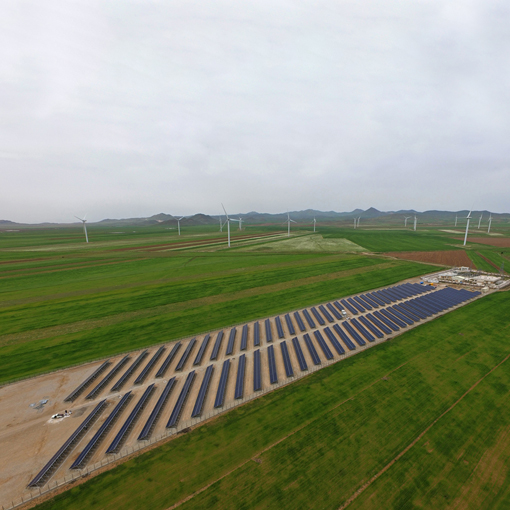
The capacity of power plants under construction is about 19,000 MW. In the field of power plants using renewable energy, about 55 solar power plants with a capacity of 360 MW and 19 wind power plants with a capacity of 300 MW are being operated.
According to studies, the usable capacity of Iran’s renewable energy is 160,000 MW solar, 15,000 MW. It is with noting that Iran has one the biggest wind capacities in the world near its border with Afghanistan.
Based on the vision of the “Strategic Document and Roadmap for the Development of Gas Turbine Technology”, Iran should be capable in the field of design, development, competitive production, and export of power plant gas turbines. According to this document, one of the goals of this development is the realization of technological progress with emphasis on localization of technical knowledge of design and construction.
In this regard, the welding and joining industry plays a key role. The welding process as one of the main processes of construction, assembly, and refurbishment of power plant parts and structures is particularly important. Acquisition and implementation of up-to-date welding technologies, technical knowledge of welding engineering and inspection, upgrading the scientific level of specialists, engineers, and technicians in the field of welding, checking integrity, failure analysis, and remaining life assessment of welding structures in power plants, can be count as the main activities in the direction of sustainable development of this industry. Iranian Welding and Joining Institute (IWJI)), by taking advantage of its great up-to-date knowledge in the field of welding and inspection, and in cooperation with welding institutes in developed countries such as DVS in Germany and IIW is ready to provide cutting-edge and high-quality services to the power generation industry.